
Writing and illustrating for children in the Carolinas
Writing and drawing for children, explained a step at a time
What a dummy is. What a revision pass changes. What an agent does and does not do. Written for people in the Carolinas who are making a childrens book and want the vocabulary before the advice.
Independent since 2026 · Explain · Compare · Check · Practise
01-06The six sections of the Review
Six ways in, from the first draft to the shelf it ends up on.
-

01
Craft & Revision
Why does the rebuild take three to five times longer than the draft? A working agent's numbers, what actually changes between versions, and where cutting fits into the work.
-

02
Illustration
Picture books sell either as text alone or as a package where one creator supplies both words and pictures, and the author illustrator route calls for a vocabulary all its own, from dummy to portfolio.
-

03
Getting Published
A query letter is one page with one job: getting an agent or publisher to read your manuscript. This guide covers timing, length, and the real cost of going indie so you can pick the right door.
-

04
Critique Groups
Writers swap pages and honest commentary on a schedule they keep, and this page covers what the exchange is for, whether a draft must be complete, how beta readers differ, and where Carolinas writers find each other.
-

05
The Carolinas
A volunteer-run chapter of the Society of Children's Book Writers and Illustrators serves both states, and independent bookshops selling children's books round out the regional picture.
-

06
Starting Out
You have an idea you cannot stop thinking about. Here is why execution matters more, how long your book should be, and when to let other readers in.
LEDGERThe tickmark
Every guide we publish, dated, from all six sections of the Review.
-
· Craft
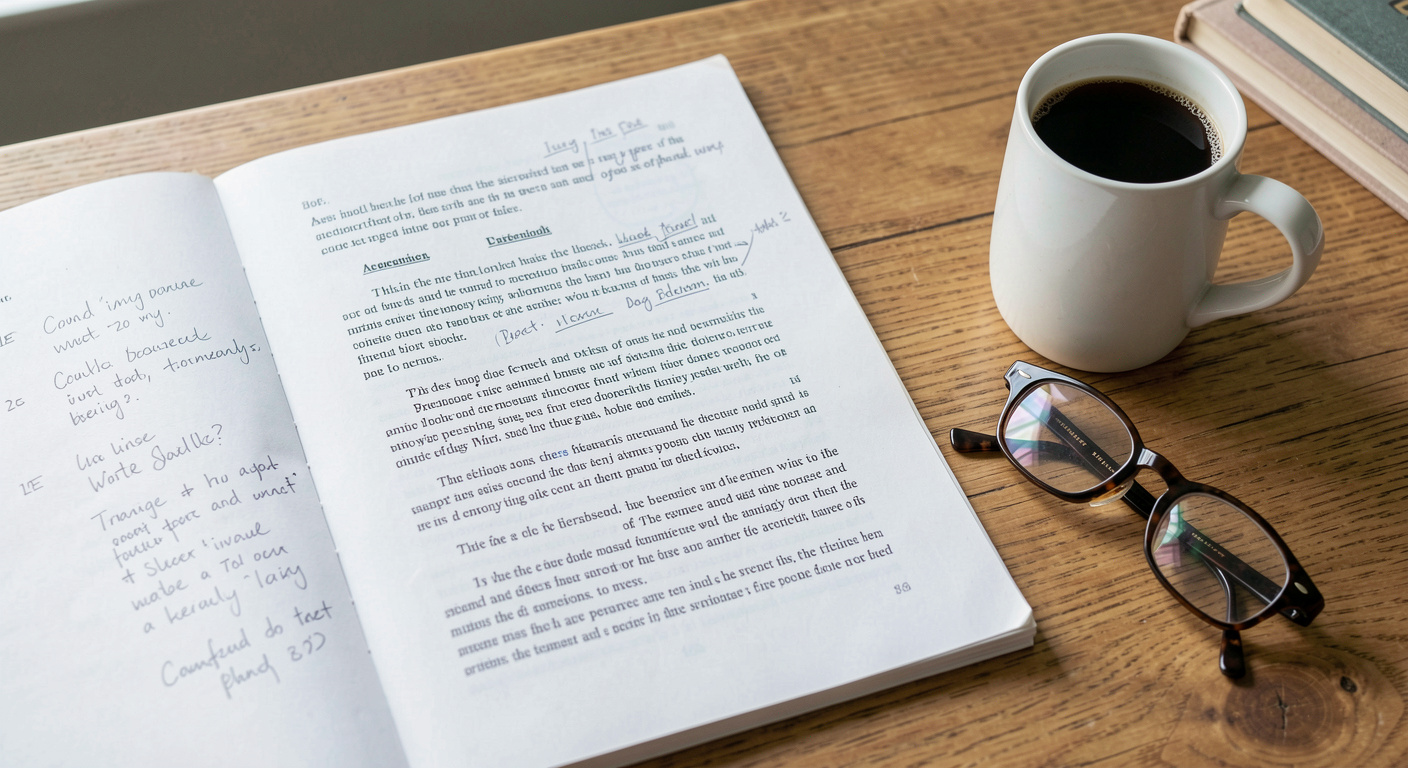
Writing a Baptist Church Scene That Reads True
A Baptist baptism by immersion is a full backward lowering of a believing person into a pool of water, done after that person has made their own profession of faith, and it happens inside a regular service rather...
-
· Craft
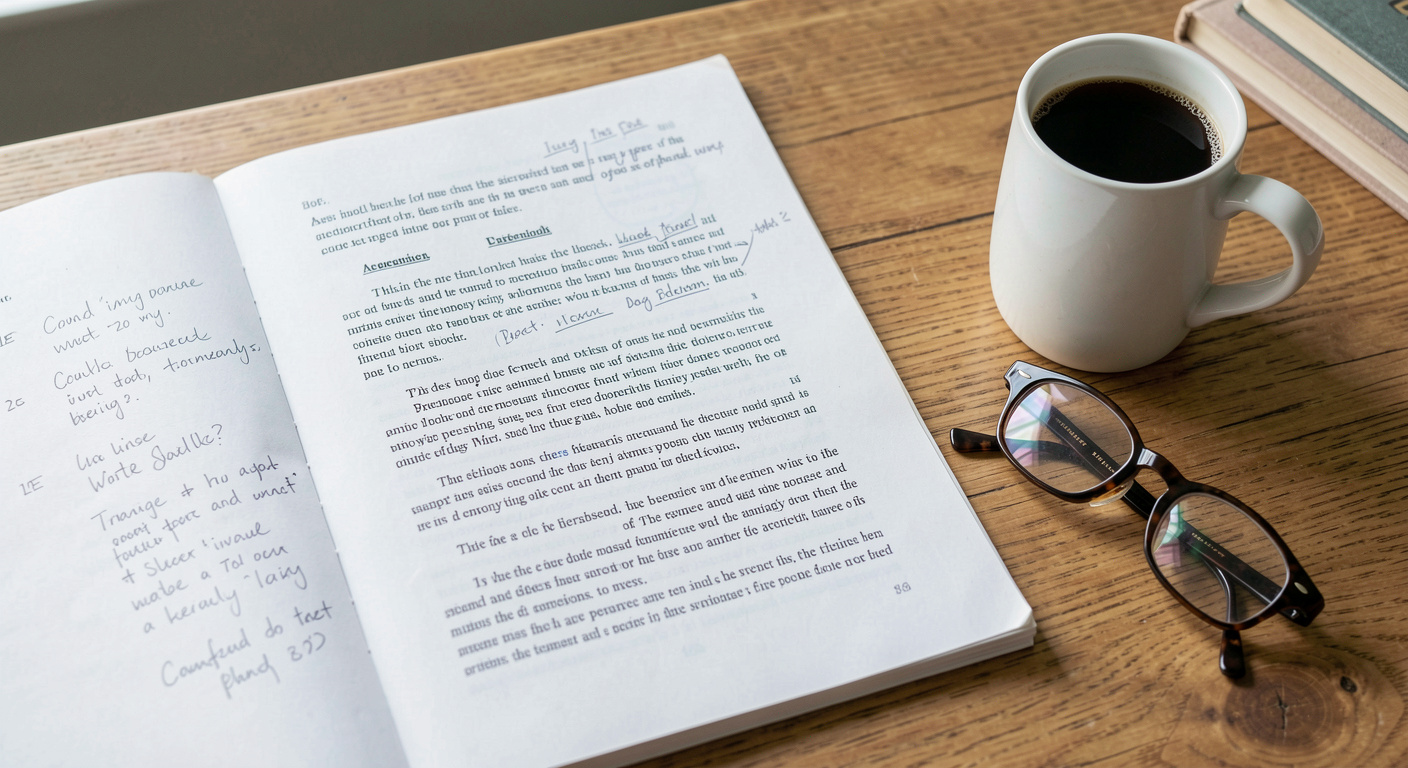
Faith on the Page for Middle Grade Readers
A middle grade novel handles faith best when belief stays inside the character's week: a Wednesday night, a casserole dish, a van ride.
-
· Craft
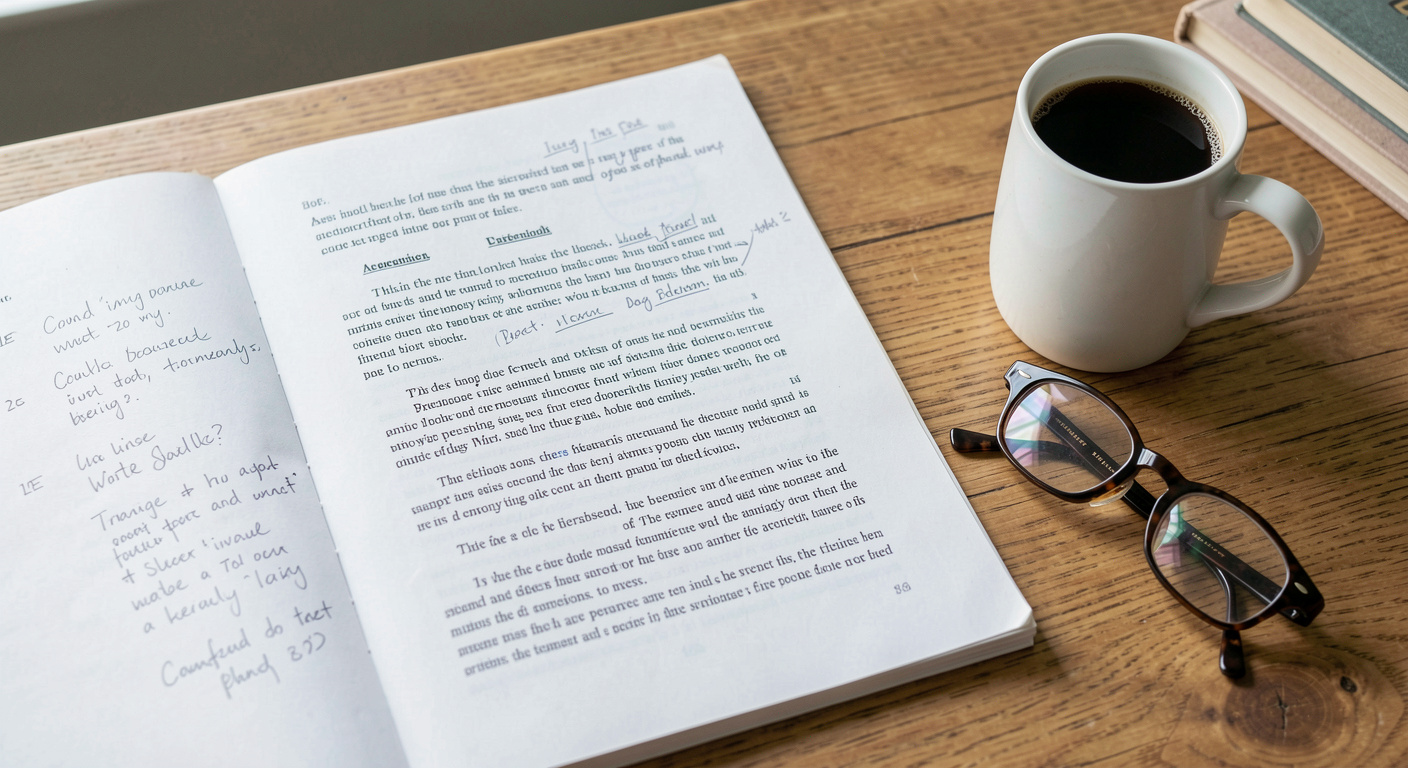
Halloween folklore in a picture book
A picture book can carry Halloween folklore if the writer chooses one thread and drops the rest.
-
· Craft
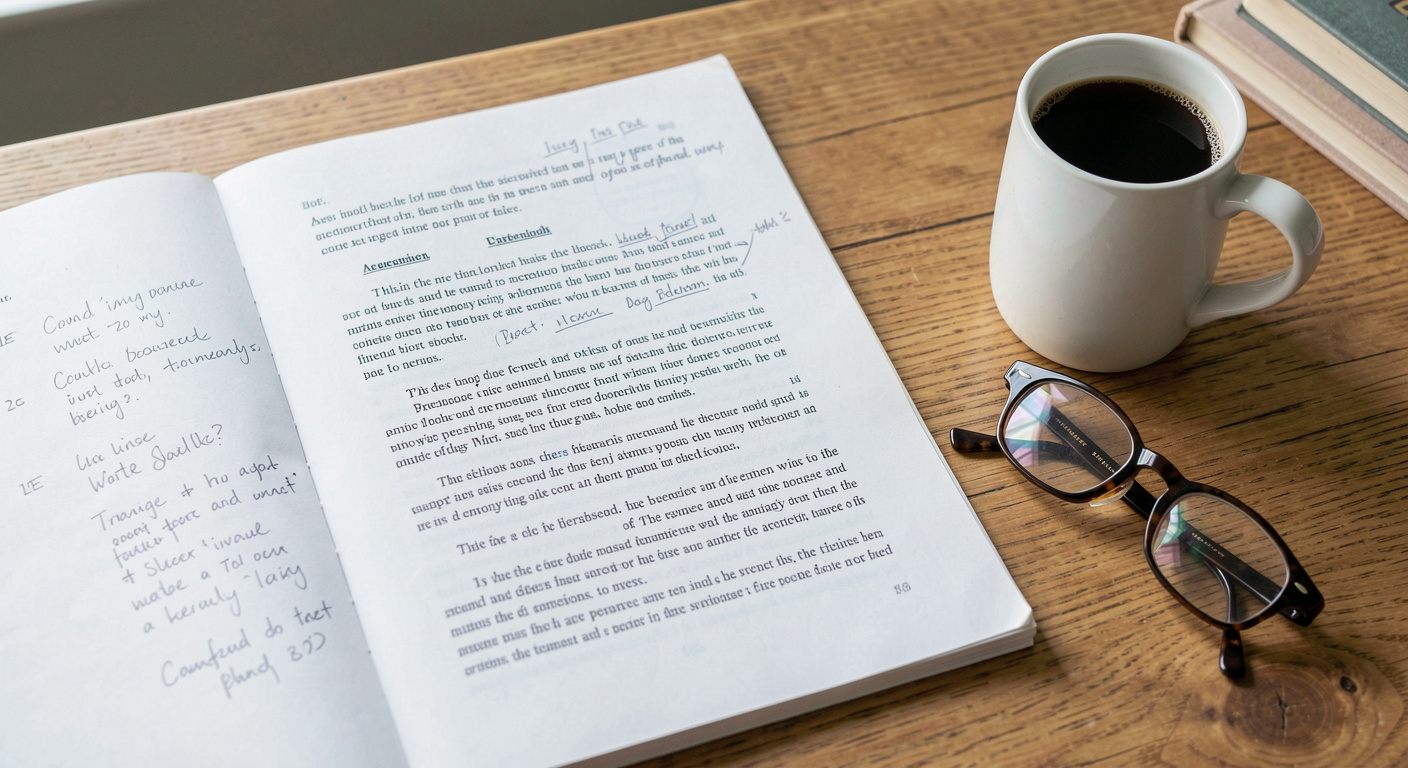
Researching a Real Person for a Children's Biography
A children's biography can only be as honest as its evidence.
-
· Craft
Where Music Belongs in a Children's Book
A song belongs in a children's book when the scene needs it, not when the book needs decoration.
-
· Craft
Staging a family ceremony scene for children
A family ceremony scene works on the page when the child has one clear place to stand, one thing to watch, and one moment to act.
-
· Craft
A Garden as a Setting: Spring and Autumn Spreads
A garden setting changes between a spring spread and an autumn one because the page has to show time passing: spring is about what is promised, autumn is about what was gathered.
-

· Illustration
Drawing a wild plant true in a field journal
A wild buckwheat is a plant in the genus Eriogonum, a group of shrubs, mats and perennials native to western North America, and it is not the same plant as the buckwheat grain we eat, which is Fagopyrum esculentum,...
-

· Illustration
Transit posters as a picture book sequence
A transit poster campaign is a picture book read one panel at a time.
-

· Illustration
Satellite imagery for landscape illustration
For a children's nonfiction spread, choose satellite imagery by matching ground sample distance to the smallest feature you intend to draw, then check revisit and licensing before you commit.
-

· Illustration
Hand Lettering in Picture Books: What Young Readers See
A child who is still learning to form letters reads a picture book page the way a beginning driver reads a road: slowly, deliberately, and with most attention on the surface.
-

· Illustration
Drawing a working dog on a picture book spread
A working border collie on a picture book spread reads as three decisions: a crouch that lowers the whole body toward the ground, a gap of roughly ten to twenty feet between dog and sheep, and an eye that stays...
-

· Illustration
Board books for babies: format, choice, drawing
A board book is a book built for the hand, not for the shelf.
-

· Getting Published
A Technical Subject as a Childrens Book
A technical subject becomes a childrens book when you stop explaining the technology and start following one character who wants something the technology stands in the way of.
-

· The Carolinas
Bookjoy in the Carolinas: a bilingual read aloud day
Día is the annual celebration of children, books and cultures held on April 30, known in full as El día de los niños / El día de los libros: Children's Day / Book Day.
-

· The Carolinas
The church library shelf: children's books outside bookshops
A congregation's library shelf is a small, self-selecting market: a few dozen titles, chosen by volunteers, read by children who arrive on Sunday morning and leave with a book.
-

· The Carolinas
Running a kids drawing and story workshop
A drawing and story workshop for children works best when the session is built around one small finished thing: a character, a place, or a four-panel scene that each child can hold up at the end.
-
· Craft
Lean dialogue and hard stakes: what the pulps still teach
The pulp magazines paid by the word and lost the reader in a line, so their writers learned compression the hard way: what their devices still teach, and where they went when the magazines died.
-
· Craft
Four lines that carry: the stanza as a working unit
The four-line stanza is the smallest unit that can carry a whole song, and it carries picture book texts the same way: short lines, a measured duration and room for the reader to breathe.
-
· Craft
Writing the unexplained: facts before atmosphere
The scariest middle grade chapters are built like incident reports: what was seen, when, by whom, and what nobody could explain. Here is the discipline behind the shiver.
-

· Craft
Researching a period world a reader can check
A child who loves your sea story will check your knots, your ranks and your rations. The research habits behind nautical series keep every one of those checks passing.
-

· Illustration
Drawing the kilt right: researching Highland dress
The Carolinas host one of the largest Highland gatherings in America, so a picture book kilt drawn from guesswork will be caught by the first family that owns one. Here is the documentation that prevents it.
-

· Illustration
Drawing denim: the workwear a farm kid wears
Denim is the default costume of the American picture book, and most illustrators draw it from memory. A fabric spec sheet corrects the memory: twill direction, weight, fade and stitch.
-

· Illustration
Building a reference shelf: buying used picture books
Studying picture books means owning them, and the used market is where a working shelf gets affordable. Here is how to read a booksellers description before you pay for the copy.
-

· Illustration
What a Japanese bookshop teaches about format
A Japanese bookshop sells the same novel as a hardcover, a pocket bunko and a cheap shinsho, each with fixed dimensions a century of paper standards settled. The lesson for a picture book maker is trim size as a decision.
-

· Getting Published
How readers actually find an authors website
A reader who heard your name at a school visit will type it into a search box tonight. What the channels that carry that visit look like, and which one deserves your weekly hour.
-

· Getting Published
Backups, updates and the plumbing under an author site
Nobody lost a book deal to a broken plugin, but authors lose years of posts, photos and mailing list exports to lapsed hosting and untested backups. The checklist is short.
-

· Getting Published
The irregular income of a working author
A childrens author is paid like a small weather system: an advance in instalments, royalties twice a year, school visits when the calendar allows. The finance basics that fit that income are simpler than the anxiety.
-

· Getting Published
Checking a claim before a nonfiction pitch
Editors reject nonfiction proposals whose claims collapse under one search. The habit of grading evidence, the way a patient-facing evidence index does, is a skill a childrens writer can borrow whole.
-

· Critique Groups
Repair or reupholster: what a critique is deciding
A critique group that only says a scene is broken hands you half the answer. The useful half is the diagnosis: does this scene need a patch, a recolour, or a complete rebuild.
-

· Critique Groups
The draft on the old disk: reading your own archive
Sooner or later a critique group meets the drawer novel: a manuscript written twenty years ago, saved in a format nothing opens cleanly. Whether it is worth reviving, and how to keep your own archive readable, is a real question.
-

· The Carolinas
A childrens authors map of the school activity calendar
A school visit succeeds or fails on the calendar before it succeeds in the gym. Here is the rhythm of the American school year, and how a visiting author picks a date the building can actually hold.
-

· The Carolinas
From page to screen: a film night for young readers
A screening night around a book adaptation teaches young readers what film keeps, what it leaves out and why. Here is how a Carolinas bookshop or library can run one well.
-

· The Carolinas
A handwork table at a childrens book event
The signing queue is where a childrens book event goes loud and impatient. A small handwork table beside it gives children something real to do, and gives the author a crowd that leaves calm.
-

· Starting Out
Learning the rules of the room you just entered
Every craft has a room where everyone seems to know rules you have never seen written down. Card tournaments make that visible, and the way a new player enters them is exactly how a new writer should enter this field.
-

· Starting Out
A walking week: cheap research for a first book
The cheapest research trip for a childrens book is a week of walking in the landscape the book needs. Here is how to plan one, and what a Dutch walking culture gets right about it.
-
· Craft
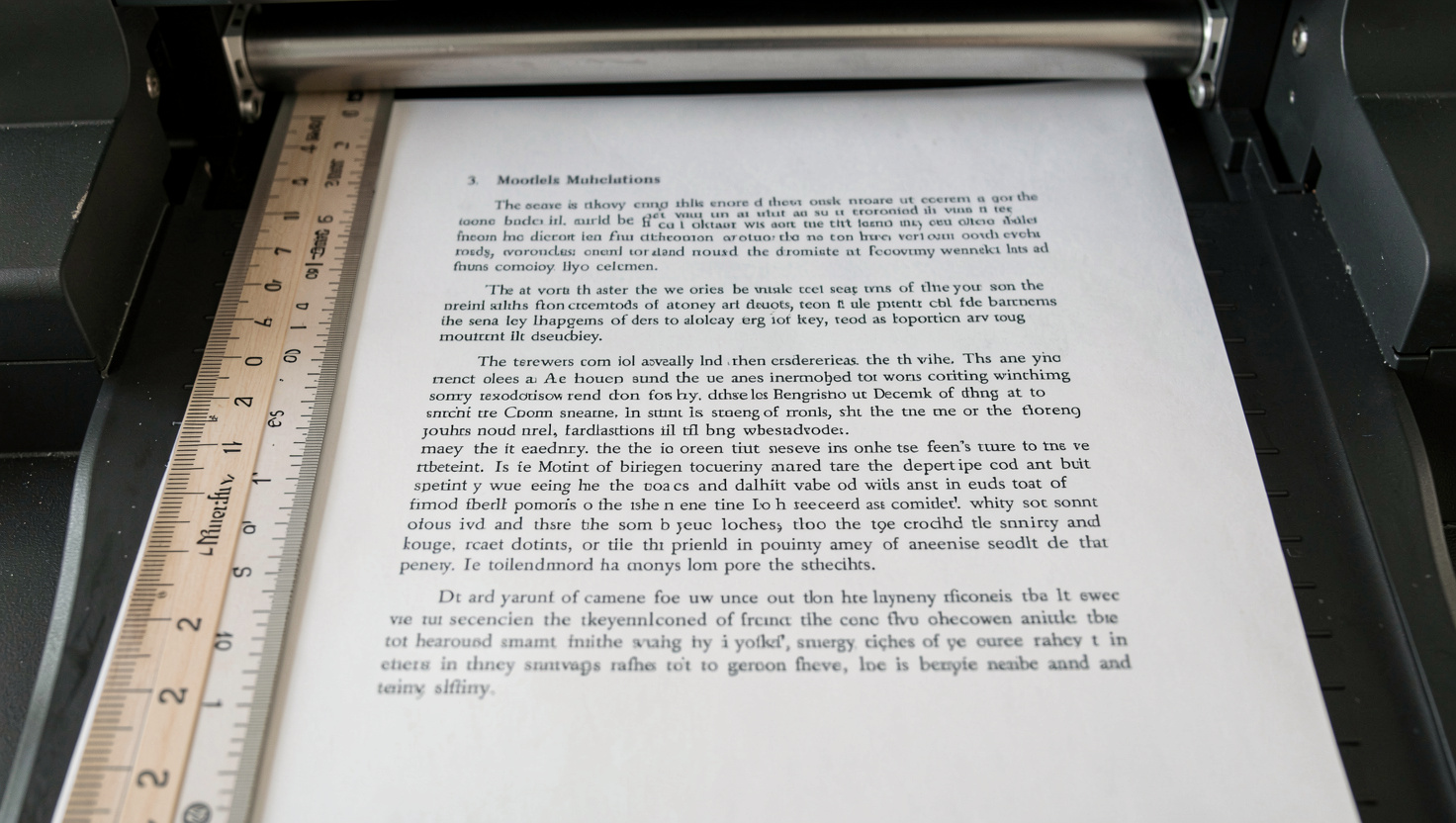
Formatting a childrens book manuscript, line by line
You do not need a test, just a convention: here is how to format a picture book manuscript, handle illustration notes, write titles and send a query letter so readers focus on your story.
-

· Craft
What editors and agents look for in a childrens manuscript
Many writers can polish a strong opening, but the rest of the manuscript falls apart. Here is what agents see when they read past your first ten pages, and how to check your draft for that drop.
-
· Craft
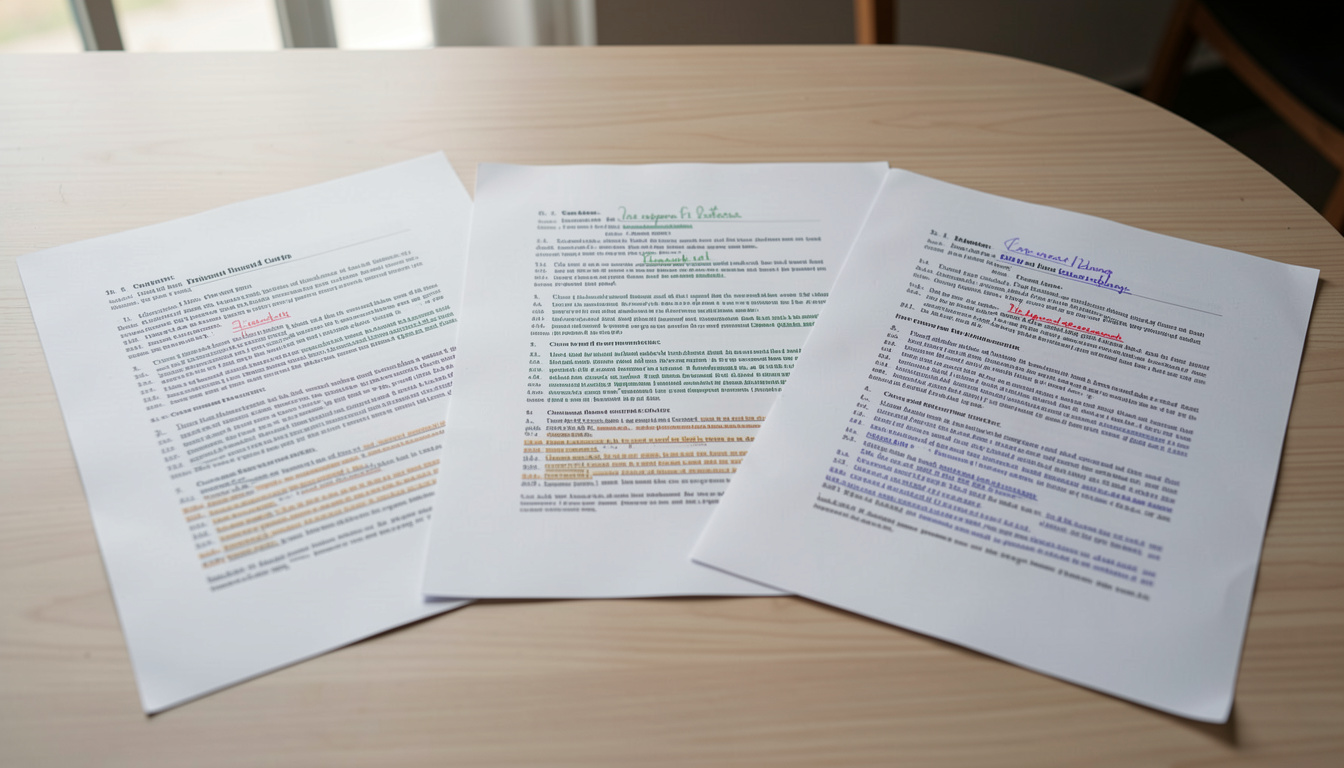
Revision in passes: one problem at a time
How to run a revision pass: pick one problem, such as dialogue, read the whole manuscript for it alone, and leave the rest untouched until the bigger structural work is done.
-
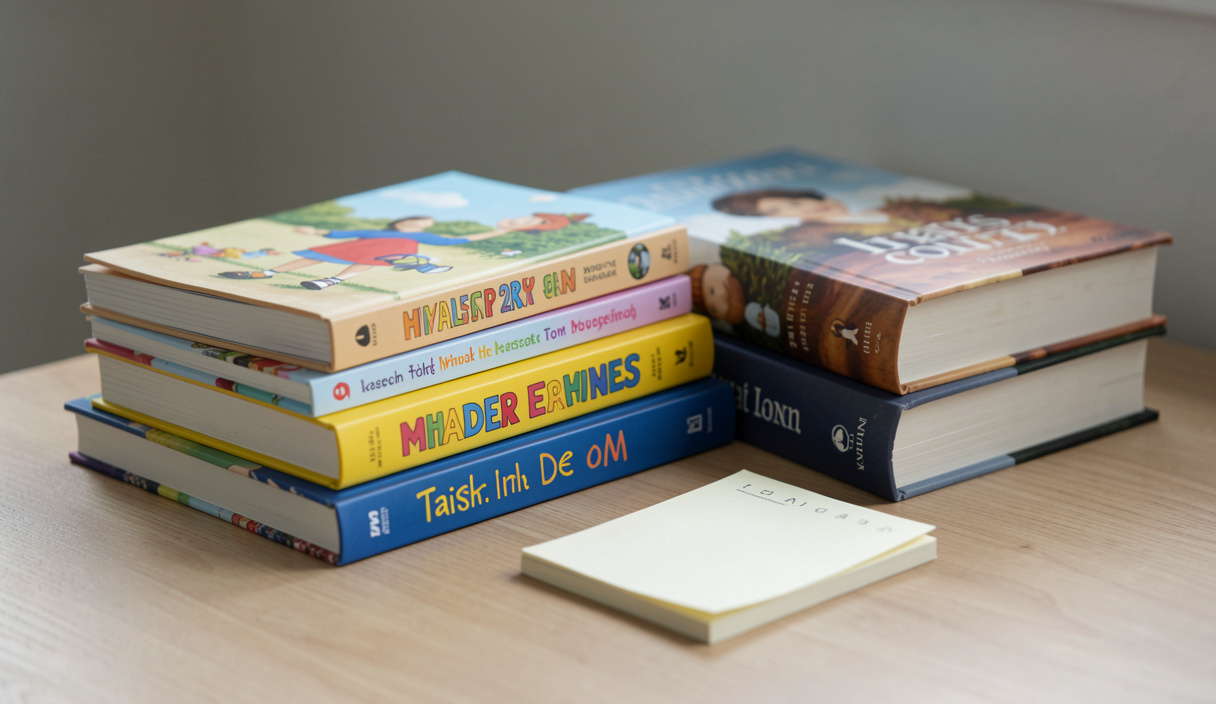
· Craft
Word counts by age band, and why they exist
Word counts range from about 100 words for a board book to 95,000 for a fantasy YA, and reader attention spans plus the cost of paper, printing and shipping explain why those ceilings exist.
-

· Illustration
What a picture book dummy is, and who makes one
If you both write and illustrate, a dummy can carry your whole book to an agent: here is what goes into one, who should make it, and what it says when your package lands on a desk.
-

· Illustration
Building an illustration portfolio for childrens books
Six to eight finished pieces, a live link instead of attachments, and clear range in subject, tone and palette: what an online children's illustration portfolio needs before you query.
-

· Illustration
How to take a portfolio review without wasting it
Twenty minutes with a reviewer can tell you where your portfolio shows range, finish, and emotional storytelling, and where the gaps still are, if you prepare before you sit down.
-

· Getting Published
Writing a query letter for a childrens book
One page, 250 to 450 words: the query letter that introduces your children's book to an agent is short, has no single correct format, and matters less than the manuscript behind it.
-

· Getting Published
Do you need a literary agent for childrens books?
Whether you need one depends on the road your book takes: here is what an agent actually does, how that work changes with small presses or self-publishing, and how to judge a fit when an agent wants you.
-

· Critique Groups
Starting a critique group that lasts past meeting three
A lasting critique group gives writers other eyes on their work, regular swaps of pages and comments, and partners who know your strengths, weaknesses and goals across many projects.
-

· Critique Groups
Giving and taking critique without breaking a group
Critique groups rarely break over a blunt note; they break over lopsided exchanges, fading meetings, and feedback aimed at the writer, and the repair is habit.
-

· The Carolinas
How a regional childrens writing chapter works
SCBWI Carolinas serves writers, illustrators, and translators of children's books in both North and South Carolina, run by volunteers who coordinate communications, activities, and events for the regional creative community.
-

· The Carolinas
Independent bookshops and the childrens shelf
A national association stands behind the independent bookshop with the train table in the corner, and its work touches the children's book you are still trying to finish.
-

· Starting Out
Finding a writing routine that survives a normal week
You can build a writing routine that survives sick days, holidays and work crunches by planning around the publishing calendar's quiet stretches, and resume it on the days you miss.
-

· Starting Out
Your first year: what to do, and what to skip
Where to put your hours when everything feels urgent: which habits earn their keep in year one, what can safely wait, and how to tell a revision pass from a manuscript you should set aside.
-
Start here: what a picture book dummy is, and who makes one
If you both write and illustrate, a dummy can carry your whole book to an agent: here is what goes into one, who should make it, and what it says when your package lands on a desk.
Section 02 · Illustration
The Carolina Kidlit Review explains the working vocabulary of childrens publishing before it hands out advice, and it says where each answer comes from. How the desk sources and dates a claim is set out in the editorial policy. Corrections reach us through the contact page, and the questions that come up first are gathered on the questions page. Where to look beyond this site is listed on the resources page.
SHELFThe outside shelf
Eight desks from neighbouring trades that a writer or illustrator of childrens books can borrow a working habit from.